
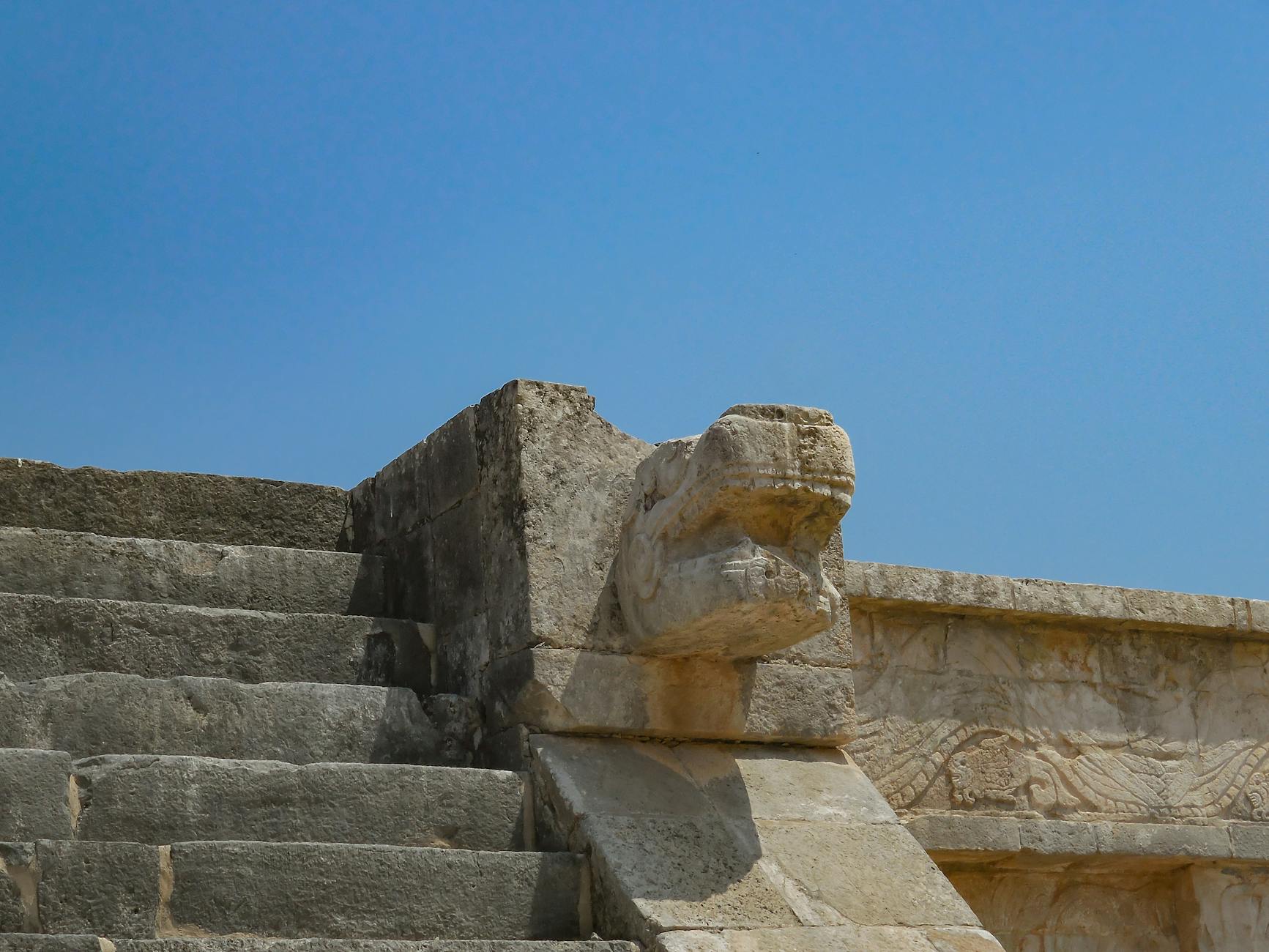
Unlocking Ancient Wisdom: Lessons from Pre-Columbian Societies
The Pre-Columbian era showcases a rich tapestry of cultures that thrived across the Americas long before European contact. These societies developed complex social structures, innovative agricultural practices, and profound spiritual beliefs that continue to offer valuable insights today. For example, the Inca demonstrated remarkable engineering skills through their extensive road systems, which facilitated trade and communication across vast distances. Their ability to adapt to diverse environments teaches modern society about resilience and resourcefulness.
A Tapestry of Cultures: Diversity in the Americas
From the Arctic tundra to the Amazon rainforest, the cultural diversity of Pre-Columbian societies is astounding. The Inuit people adapted to harsh climates with unique hunting techniques and communal living structures, while Mesoamerican civilizations like the Maya and Aztec developed sophisticated calendars and astronomical knowledge. Each culture contributed to a broader understanding of humanity’s adaptability and creativity.
- Maya: Known for their advanced mathematics and writing systems.
- Aztec: Established a powerful empire with a complex social hierarchy and rich mythology.
- Puebloans: Developed intricate dwellings in the Southwestern United States, showcasing architectural ingenuity.
How It Worked: The Ingenious Systems of Pre-Columbian Life
Pre-Columbian societies employed innovative agricultural techniques such as terrace farming and chinampas, floating gardens used by the Aztecs. These methods maximized arable land and ensured food security. Additionally, many civilizations practiced sustainable resource management, emphasizing the importance of balance between human needs and environmental health.
Common Myths About Pre-Columbian Civilizations
Despite their rich histories, several misconceptions persist about Pre-Columbian societies. One common myth is that these civilizations were primitive or unsophisticated. In reality, they engaged in complex trade networks, established legal codes, and created monumental architecture. For instance, Cahokia, located near modern-day St. Louis, was one of the largest urban centers in North America prior to European arrival, featuring large earthen mounds used for ceremonial purposes.
Art and Expression: The Cultural Legacy of the Ancients
The artistic expressions of Pre-Columbian cultures reflect their values, beliefs, and experiences. From intricate pottery with symbolic designs to monumental stone carvings depicting deities, art served both functional and ceremonial purposes. The Nazca Lines in Peru are another fascinating example; these massive geoglyphs are believed to have held spiritual significance or served as astronomical markers.
Lessons from the Past: Sustainability and Resilience
The sustainability practices of Pre-Columbian societies can inform contemporary approaches to environmental challenges. By studying how these cultures managed resources, such as crop rotation or controlled burning, we can glean strategies for modern agriculture that prioritize ecological balance. Their resilience in adapting to climatic changes also offers lessons on how communities can thrive amidst adversity.
The Future of Pre-Columbian Studies: New Perspectives and Technologies
The field of Pre-Columbian studies is evolving rapidly due to advancements in technology such as satellite imagery and ground-penetrating radar. These tools allow researchers to uncover hidden archaeological sites without extensive excavation. Furthermore, interdisciplinary approaches that combine anthropology, history, and environmental science enable a more holistic understanding of these ancient societies. As we continue to explore their legacies, we gain deeper insights into what it means to be human.
Sources
- Pre-Columbian era – Wikipedia
- www.google.com
- www.google.com
- www.google.com
- www.google.com
- scholar.google.com
- www.jstor.org
- en.wiktionary.org
- www.tripline.net
- archive.org
- www.ncbi.nlm.nih.gov
Why do you keep falling for the same type?
Read the article Lovemaps: the hidden blueprint of our love.
Did you not find what you were looking for? Let me help you find more.
