

Kenorland: A Hypothetical Supercontinent from the Neoarchaean Era
Explore Kenorland, a hypothetical Neoarchaean supercontinent formed 2.72 billion years ago, and its impact on Earth’s geological history and tectonic activity.
Explore Kenorland, a hypothetical Neoarchaean supercontinent formed 2.72 billion years ago, and its impact on Earth’s geological history and tectonic activity.

Explore how isotopic signatures reveal the origin and composition of materials through isotope analysis and ratios, impacting fields from food to medicine.

Explore the origins and evolution of life on Earth, from primordial beginnings to complex organisms, and uncover common myths and microbial roles.

Explore Homo heidelbergensis, an extinct archaic human species key to understanding human evolution, social behavior, and ancient tool use.

Explore the fundamentals of heat transfer in thermal engineering and its impact on daily life, from cooking to smart home technologies and energy efficiency.

Explore the causes, effects, and environmental impact of haze, an atmospheric condition that reduces visibility and affects health and ecosystems worldwide.

Explore the 10th millennium BC, a pivotal era marking humanity’s gradual shift from hunter-gatherers to farming and settled life, shaping modern civilization.

Explore the atmospheres of celestial bodies, their composition, pressure, and impact on climate and habitability across planets like Earth, Mars, and Venus.
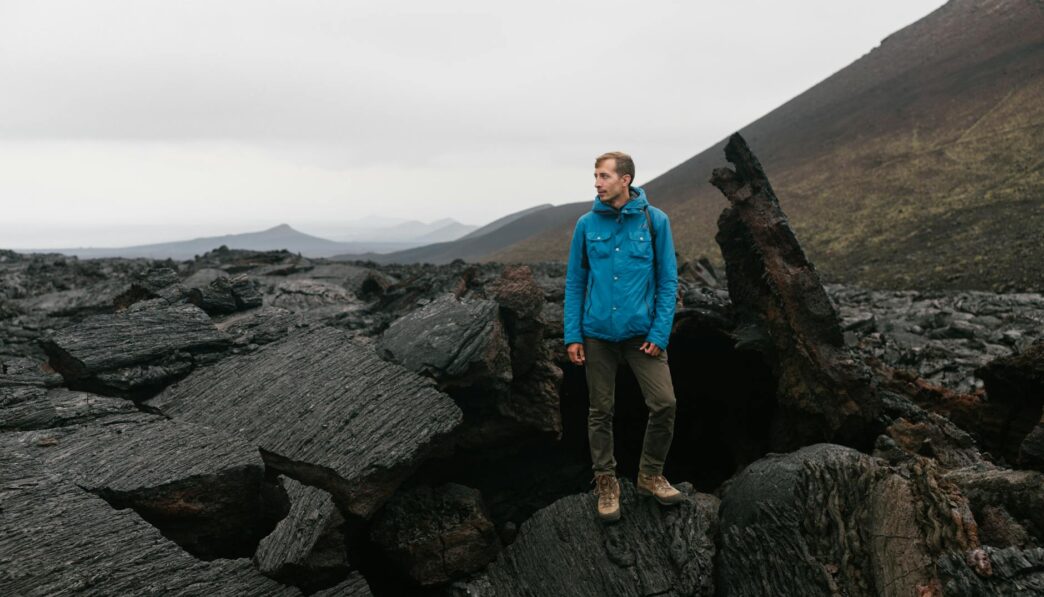
Explore how volcanoes form and erupt, their impact on climate and environment, and the benefits they bring to ecosystems and human life.

Explore the types, formation, and weather impact of clouds, and learn how they influence climate, agriculture, and forecasting in everyday life.
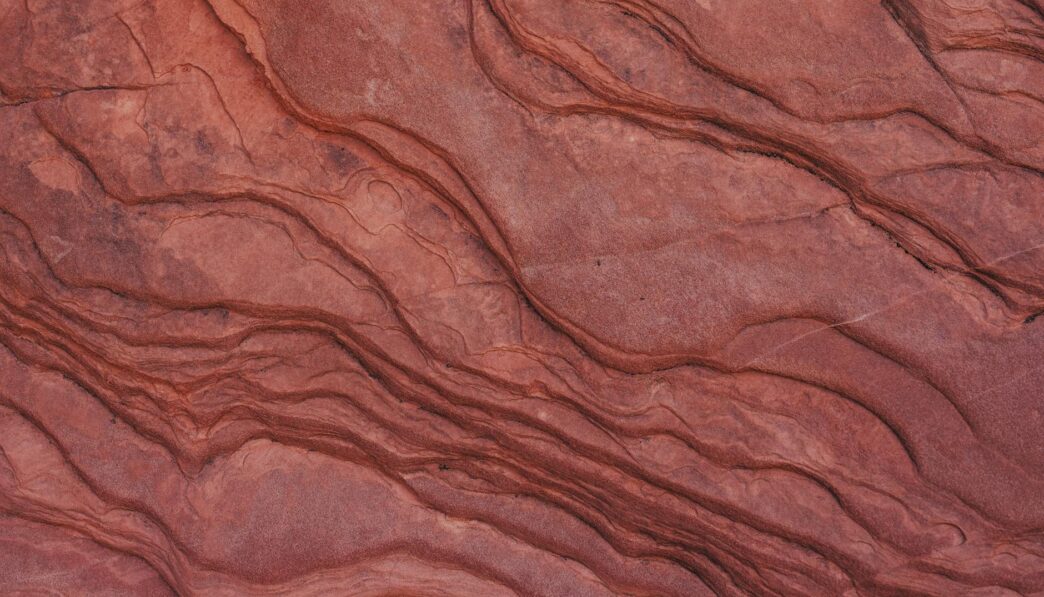
Discover stromatolites, ancient layered sedimentary structures formed by microbes, revealing Earth’s early life and unique ecosystems still found today.

Explore the Snowball Earth hypothesis, detailing global glaciation events during the Proterozoic Eon and their impact on Earth’s climate and life.

Discover the Ethiopian Highlands, Africa’s highest mountain range, known for its unique ecosystems, rich biodiversity, and cultural heritage.
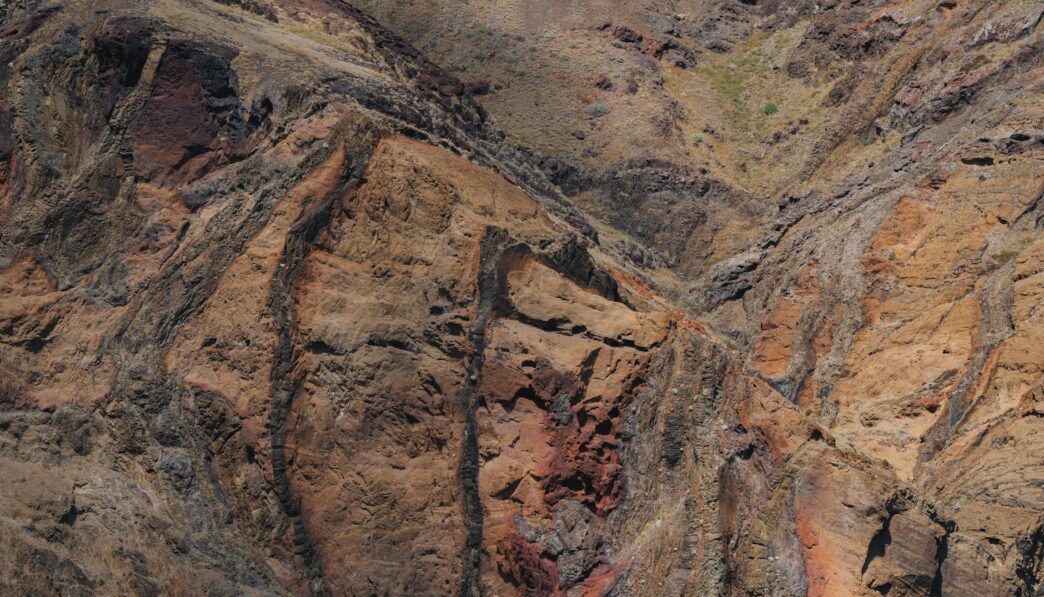
Discover the importance, formation, types, and uses of sandstone, a durable clastic sedimentary rock vital in construction, art, and energy sectors.

Explore Sub-Saharan Africa’s geography, population, and major cities, highlighting its diverse cultures, ecosystems, and urban growth.

Antarctica is a vital polar desert influencing global climate, sea levels, and scientific research with unique wildlife and dynamic ice systems.

Explore volcanic ejecta, particles expelled during eruptions that impact climate, agriculture, and ecosystems. Learn their types, effects, and environmental role.

Explore the characteristics, formation, and significance of planets in astronomy, including types of celestial bodies and the search for life beyond Earth.

Explore West Asia’s geography, diverse cultures, and population, highlighting its unique landscapes, ethnic groups, and significant global role.
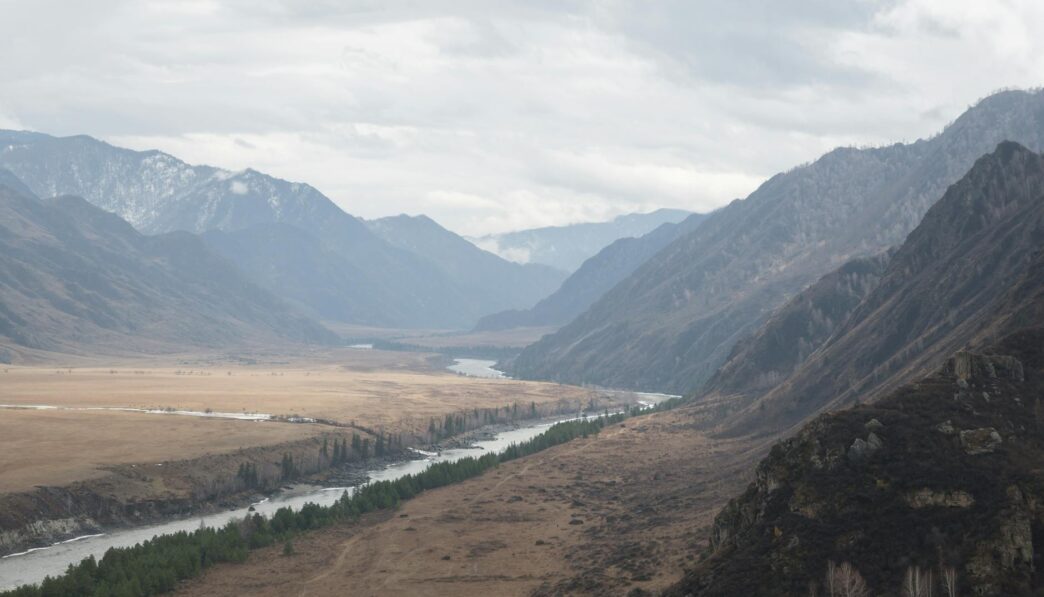
Explore Siberia, a vast region in North Asia known for its diverse landscapes, rich natural resources, and unique cultural heritage amid extreme climates.